


Wastewater treatment today goes far beyond regulatory compliance. It is increasingly driven by the need for higher performance, sustainability, and long-term operational efficiency.
At the core of this shift lies a critical question:
Should you use natural polymers or synthetic polymers?
For years, synthetic solutions such as polyacrylamide (PAM) have set the industry standard due to their reliability and efficiency. However, growing environmental concerns and stricter regulations are accelerating the adoption of natural, bio-based flocculants.
The reality, however, is more nuanced:
- This is not a binary choice
- It is a strategic formulation decision
Selecting the right polymer depends on balancing performance requirements with sustainability goals.
What Are Polymers Used for in Wastewater Treatment?
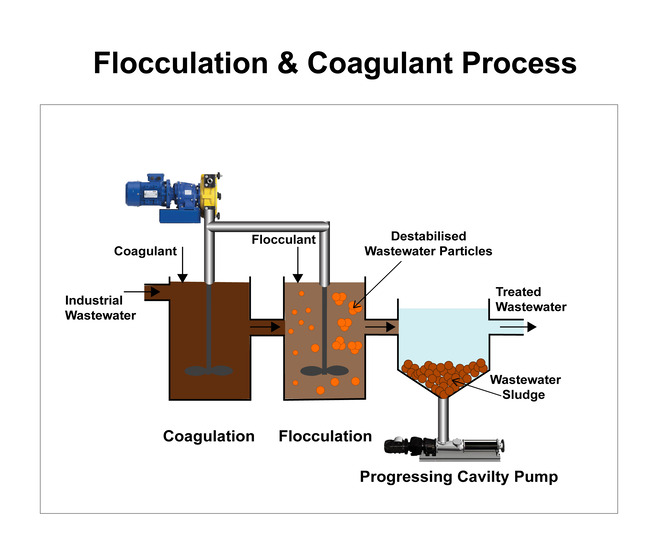
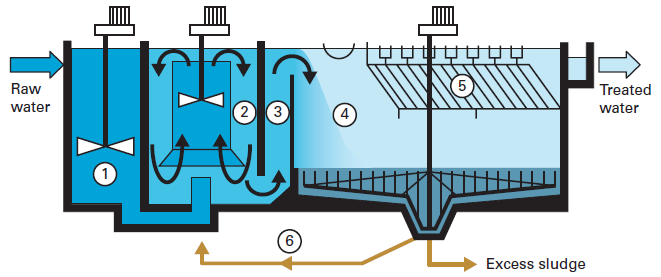
Polymers play a key role as coagulants and flocculants in water treatment processes. Their primary functions include:
- Aggregating suspended solids into larger flocs
- Improving sedimentation and clarification
- Enhancing sludge dewatering efficiency
- Reducing turbidity and organic load
The effectiveness of these polymers directly influences:
- Chemical consumption levels
- Sludge handling and disposal costs
- Final effluent quality
Because of this, polymer selection has a direct impact on both operational efficiency and cost optimization.
Synthetic Polymers: The Industry Benchmark
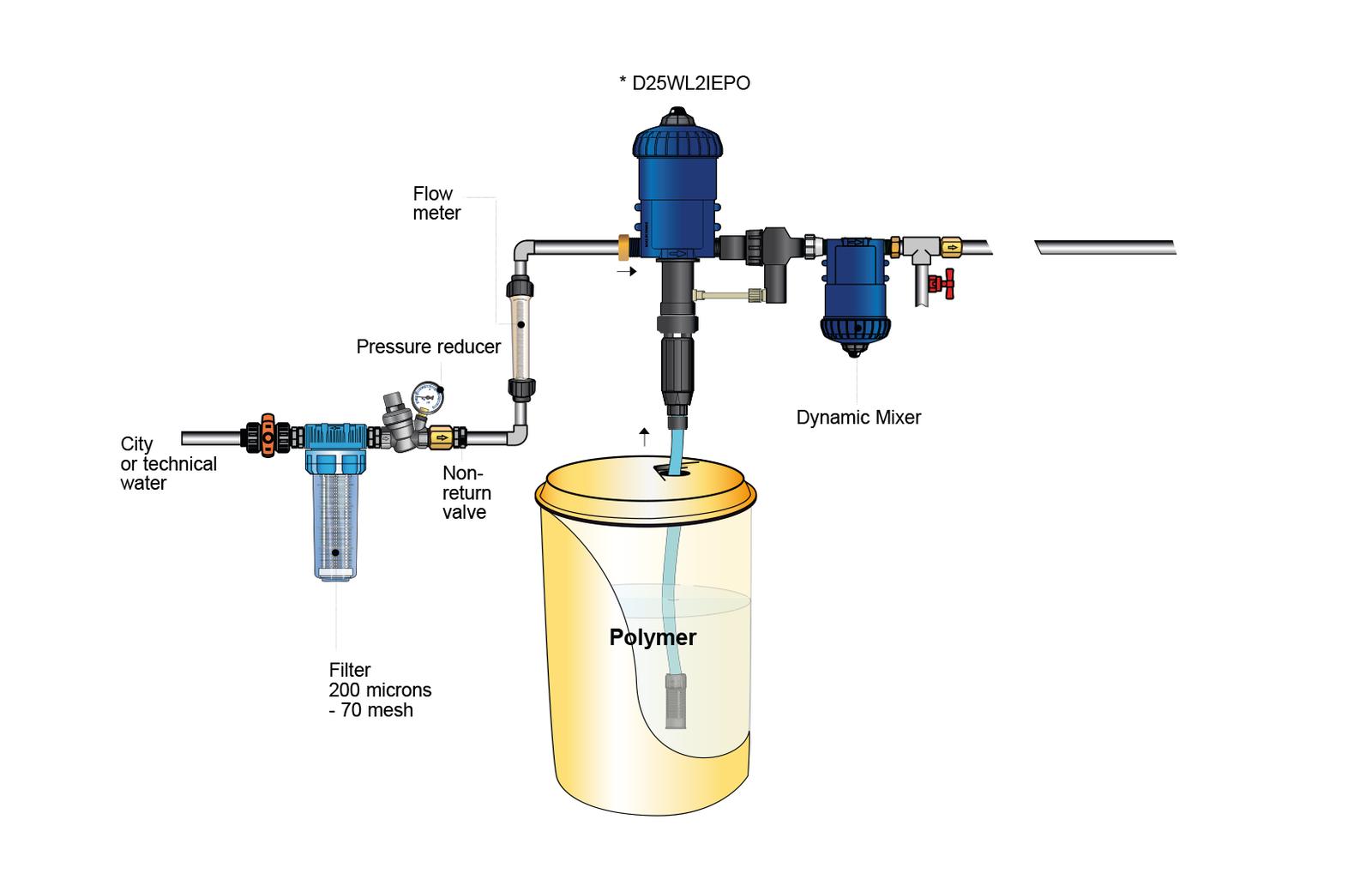
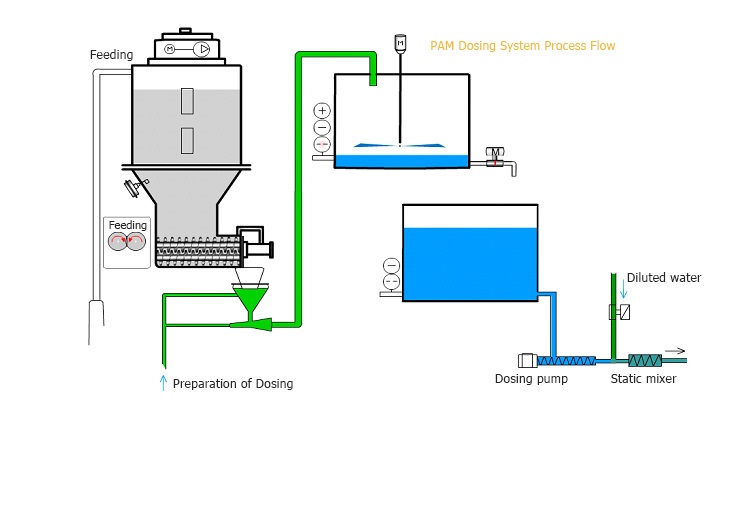
Synthetic polymers have long been the preferred choice in wastewater treatment due to their consistent and high-performance characteristics.
Common Types
- Polyacrylamide (PAM) – available in anionic, cationic, and nonionic forms
- Polyamines
- PolyDADMAC
Advantages
- High molecular weight enables strong and stable floc formation
- Low dosage requirements improve cost efficiency
- Reliable performance across varying water conditions
- Customizable properties such as charge density and molecular structure
Limitations
- Derived from petrochemical sources
- Limited biodegradability
- Potential concerns related to residual monomers such as acrylamide
Summary:
Synthetic polymers deliver excellent performance and consistency, but they present environmental and sustainability challenges.
Natural Polymers: The Sustainable Alternative


Natural polymers are gaining attention as environmentally friendly alternatives, particularly in applications where sustainability is a priority.
Common Types
- Starch-based polymers
- Chitosan
- Guar gum
- Cellulose derivatives
- Plant-based extracts such as Moringa oleifera
Advantages
- Biodegradable and derived from renewable sources
- Lower toxicity and reduced environmental impact
- Strong alignment with ESG and sustainability initiatives
Limitations
- Higher dosage requirements compared to synthetic options
- Less consistent performance in varying conditions
- Sensitivity to pH, temperature, and shear forces
- Shorter shelf life
Summary:
Natural polymers support sustainability goals but often require optimization to match the efficiency of synthetic alternatives.
Head-to-Head Comparison
| Parameter | Synthetic Polymers (PAM) | Natural Polymers |
|---|---|---|
| Performance | ⭐⭐⭐⭐⭐ | ⭐⭐⭐ |
| Dosage Efficiency | ⭐⭐⭐⭐⭐ | ⭐⭐ |
| Consistency | ⭐⭐⭐⭐⭐ | ⭐⭐⭐ |
| Biodegradability | ⭐ | ⭐⭐⭐⭐⭐ |
| Toxicity Risk | Medium | Low |
| Customization | High | Limited |
| ESG Alignment | Moderate | High |
The Industry Shift: Hybrid and Engineered Solutions




The future of wastewater treatment is not about choosing one type of polymer over another. Instead, it is about creating the right balance through engineering and formulation.
Emerging Trends
- Natural-graft synthetic polymers combining performance with biodegradability
- Blended flocculant systems that integrate efficiency and sustainability
- Development of low-toxicity synthetic alternatives
- Application-specific polymer formulations
This shift reflects a broader industry movement toward customized, performance-driven solutions that also meet environmental standards.
Key Considerations When Selecting a Polymer
Choosing the right polymer requires a comprehensive evaluation of several factors:
- Water chemistry, including pH, turbidity, and organic content
- Sludge handling and dewatering requirements
- Regulatory and environmental compliance standards
- Cost per treated volume rather than cost per kilogram
- Organizational sustainability and ESG objectives
A well-informed selection process ensures optimal performance while maintaining cost efficiency and compliance.
Qemi Perspective: Engineering Performance and Sustainability
At Qemi International Inc, polymer selection is not treated as a simple trade-off between performance and sustainability. Instead, it is approached as a formulation challenge.
The focus is on designing solutions that match specific application requirements rather than relying on off-the-shelf products.
This may include:
- High-performance synthetic polymers for demanding conditions
- Sustainable natural alternatives for eco-focused applications
- Hybrid systems that combine the strengths of both
The goal remains consistent:
Deliver efficiency, reliability, and a measurable competitive advantage.
Conclusion
The conversation around natural versus synthetic polymers is evolving rapidly.
- Synthetic polymers continue to define performance standards
- Natural polymers are driving sustainability initiatives
- Hybrid solutions are shaping the future of wastewater treatment
Organizations that adapt to this shift and invest in tailored polymer strategies will be better positioned to lead in the next generation of water treatment solutions.