In today’s agricultural and water management landscape, the conversation is no longer just about performance—it’s about performance, sustainability, and long-term impact.
At Qemi International, the focus isn’t on pushing a single solution. Instead, the goal is to deliver the right solution for the right application. That’s why both options are offered:
- EF Polymer → Bio-based, biodegradable superabsorbent polymer (SAP)
- Hidrokeeper → High-performance synthetic superabsorbent polymer
So, what’s the real difference—and which one should you choose?
Understanding the Technologies
EF Polymer: Bio-Based Water Retention
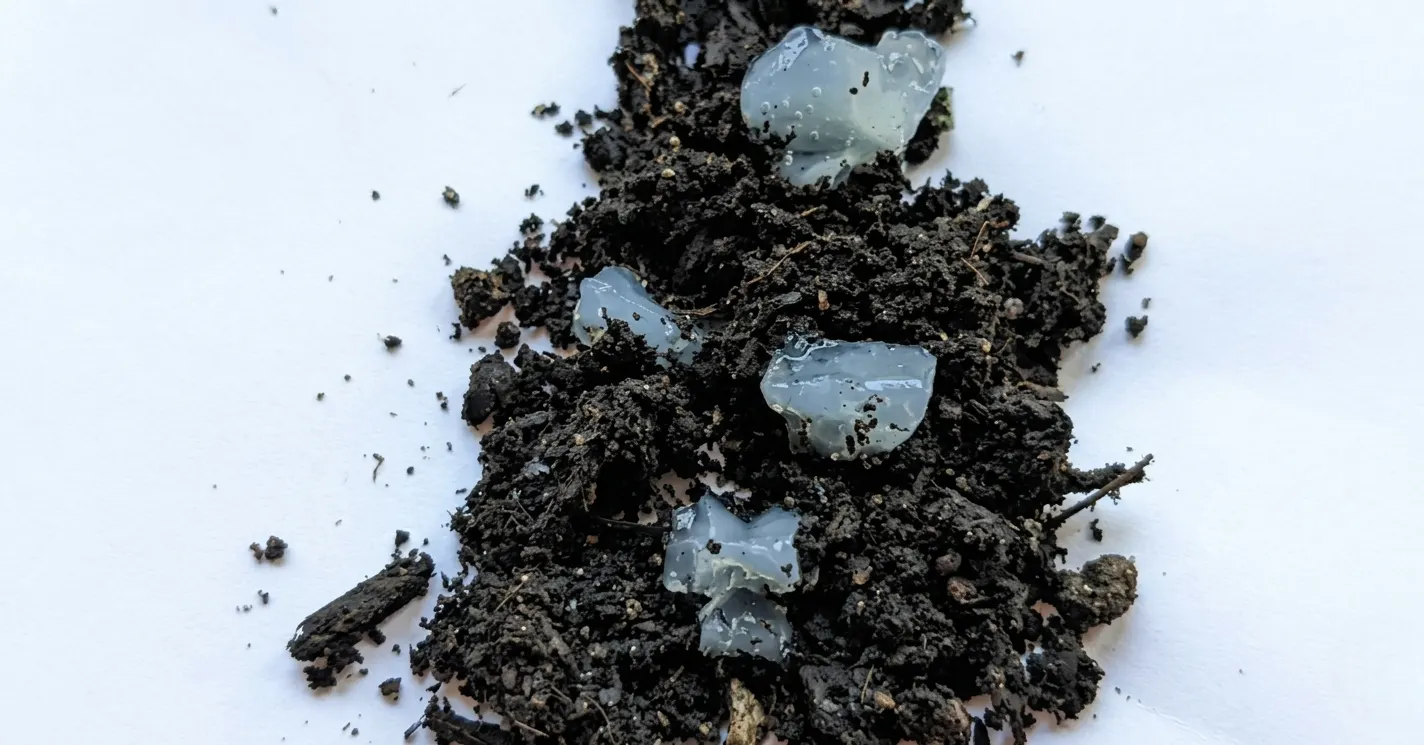
EF Polymer represents a new generation of organic superabsorbent materials derived from agricultural waste. These materials align closely with the principles of sustainable farming and circular resource use.
Key Characteristics:
- Plant-based raw materials
- Fully biodegradable
- Absorbs approximately 50x its weight in water
- Gradual release of water and nutrients
- Leaves no microplastic residue
Best Suited For:
- Sustainable agriculture
- Soil regeneration programs
- Regions with strict environmental regulations
For more on sustainable agricultural practices, refer to this resource: FAO
Hidrokeeper: High-Performance Synthetic SAP
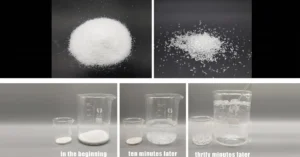
Hidrokeeper is a synthetic superabsorbent polymer engineered for maximum efficiency and durability, widely used in commercial farming systems where consistency and output are critical.
Key Characteristics:
- Acrylic-based polymer structure
- Absorption capacity of 300–500x its weight
- Long-term stability in soil
- Strong gel structure under pressure
- Proven performance in large-scale agriculture
Best Suited For:
- High-efficiency irrigation systems
- Commercial farming operations
- Harsh or variable environmental conditions
EF Polymer vs Hidrokeeper: Comparison
| Property | EF Polymer (Organic SAP) | Hidrokeeper (Synthetic SAP) |
| Origin | Plant-based | Petrochemical (acrylic) |
| Biodegradability | Fully biodegradable | Long-term persistence |
| Water Absorption | ~50x | 300–500x |
| Longevity in Soil | Months | Years |
| Mechanical Stability | Moderate | High |
| Environmental Impact | Minimal | Moderate |
| Regulatory Positioning | Strong | Increasing scrutiny |
| Cost Efficiency | Lower ROI per cycle | Higher performance ROI |
The Real Decision: Performance vs Sustainability
The key mistake many companies make is treating this as a binary choice.
It’s not about choosing one over the other—it’s about aligning the material with your objective.
Choose EF Polymer when:
- Sustainability is a requirement, not just a preference
- Soil health and biodegradability are priorities
- Operating in eco-sensitive or regulated markets
- Reducing long-term environmental footprint matters
Choose Hidrokeeper when:
- Maximum water retention is critical
- Long-term durability is required
- Conditions are harsh or unpredictable
- Performance-driven ROI is the priority
The Qemi Approach: No One-Size-Fits-All
At Qemi International, the philosophy is simple: don’t push products—engineer outcomes.
Some businesses are shifting toward sustainable inputs, while others require maximum technical performance to remain competitive.
Qemi supports both through:
- Bio-based innovation with EF Polymer
- Proven performance with Hidrokeeper
- Custom blending and evaluation
- Application-specific guidance
The Future: Hybrid Thinking Wins
The future of agriculture and water management lies in balance:
- Performance + Sustainability
- Efficiency + Responsibility
- Innovation + Practicality
Organizations that successfully integrate these elements will lead the next phase of industry evolution.
For insights on future water management strategies.
Let’s Build the Right Solution
Whether your priority is:
- Water conservation
- Improved crop yield
- Regulatory compliance
- Environmental positioning
Qemi International can help design a solution that works—both technically and strategically.