
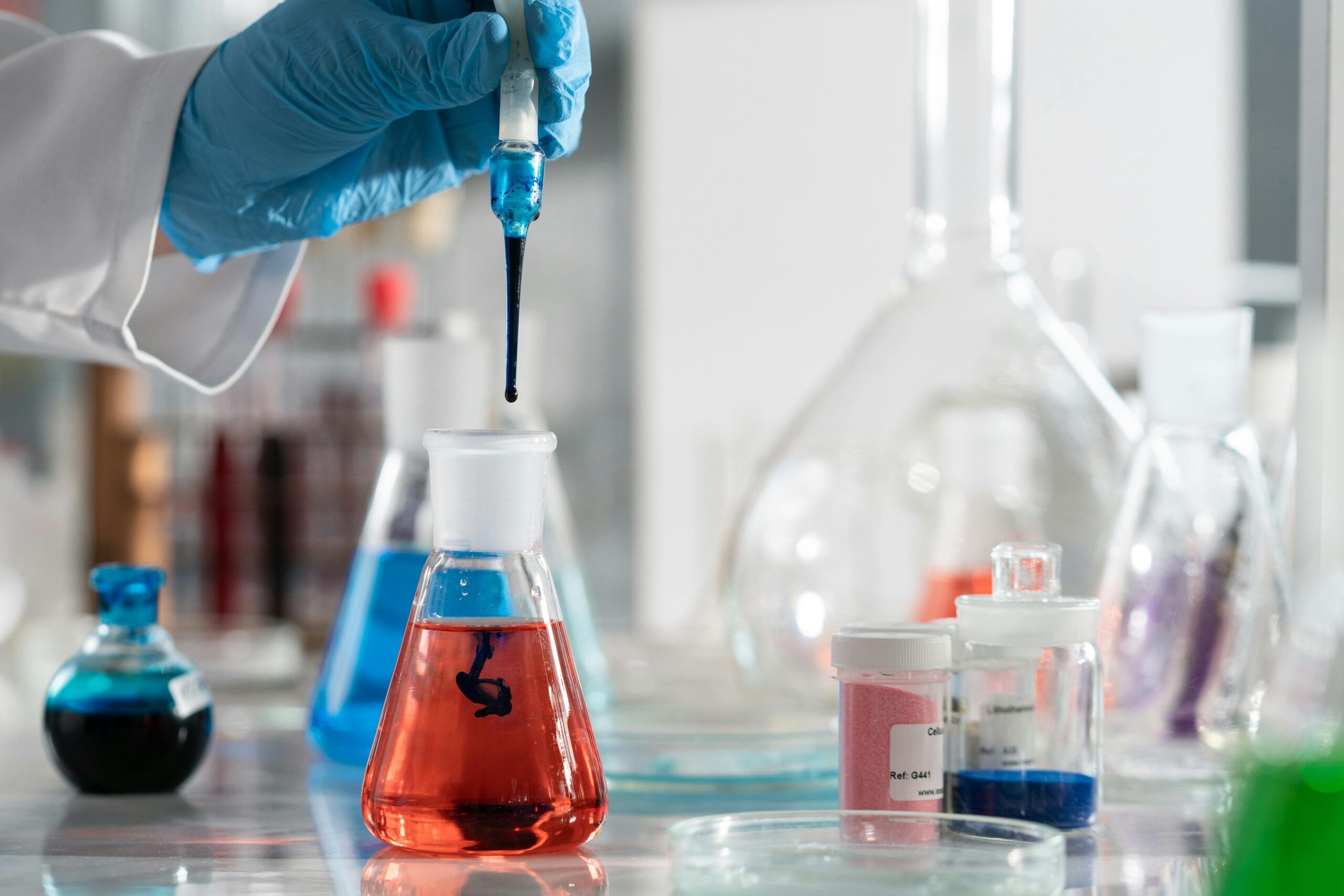
Specialty chemicals improve industrial energy efficiency by removing insulating deposits like scale, preventing corrosion in heat exchangers, and optimizing fuel combustion. By maintaining clean internal surfaces, these chemicals ensure that heat transfer remains at peak levels, reducing the amount of fuel or electricity needed to power industrial processes. Proper chemical treatment can lower energy consumption by 5% to 15% in most heavy manufacturing environments.
Why Does Scale Buildup Waste So Much Energy?
Scale buildup acts as an unintended layer of insulation that prevents heat from moving between surfaces. In boilers and cooling towers, even a thin layer of calcium or silica forces the system to work harder and burn more fuel to reach the desired temperature. Effective scale inhibitors break down these mineral bonds, keeping surfaces bare and conductive.
Many plant operators do not realize that a scale layer as thin as 0.8 millimeters can decrease heat transfer efficiency by nearly 10%. When heat cannot pass easily through a metal pipe because of mineral buildup, that heat is essentially wasted, escaping through the exhaust or flue. This is not just a maintenance issue; it is a direct financial loss on every utility bill.
Specialty chemicals use polymers and phosphonates to keep these minerals in suspension. Instead of sticking to the walls of the machinery, the minerals stay in the water and are flushed out during routine cycles. This clean-wall state ensures that every unit of energy burned actually goes toward the production process rather than fighting against lime deposits.
How Do Combustion Catalysts Reduce Fuel Consumption?
Combustion catalysts improve energy efficiency by ensuring that fuel burns more completely and at lower ignition temperatures. These chemicals modify the molecular structure of the fuel-air mixture, which reduces the amount of unburned carbon and soot left behind. This leads to a higher heat release from the same volume of fuel, directly lowering total consumption.
In heavy industrial boilers or furnaces, fuel is often the highest variable cost. When fuel does not burn completely, it creates soot. Soot is an even better insulator than scale; it is five times more effective at blocking heat than steel. By using fuel additives, a plant ensures that the combustion process is cleaner, meaning less soot settles on the tubes and more heat stays in the system.
Furthermore, these chemicals help reduce the excess air required for combustion. Usually, plants pump in extra air to make sure all the fuel catches fire, but that extra air also carries heat out of the stack. Catalysts allow for lower air-to-fuel ratios, keeping more heat inside the boiler where it belongs.
Can Water Treatment Chemicals Lower Electricity Use?
Water treatment chemicals lower electricity use by reducing the friction and head pressure in pumping systems. By preventing the growth of biofilms and algae, these chemicals keep the internal diameter of pipes smooth and clear. This reduces the work required by electric pumps to move fluids through the plant.
Biofilms are slimy layers of bacteria that can grow in cooling water loops. These films are surprisingly resilient and create significant skin friction against moving water. When the inside of a pipe is slimy or fouled, the pump must spin faster and consume more kilowatt-hours to maintain the same flow rate. Specialty biocides and dispersants strip these films away.
Additionally, keeping cooling water chemistry balanced prevents the cooling tower from needing to cycle as often. When the water is treated correctly, you can run the system at higher cycles of concentration. This means you use less makeup water and, more importantly, you run the heavy electric fans and pumps for shorter durations, leading to a measurable drop in the monthly power draw.
What Role Do Heat Transfer Fluids Play in Energy Savings?
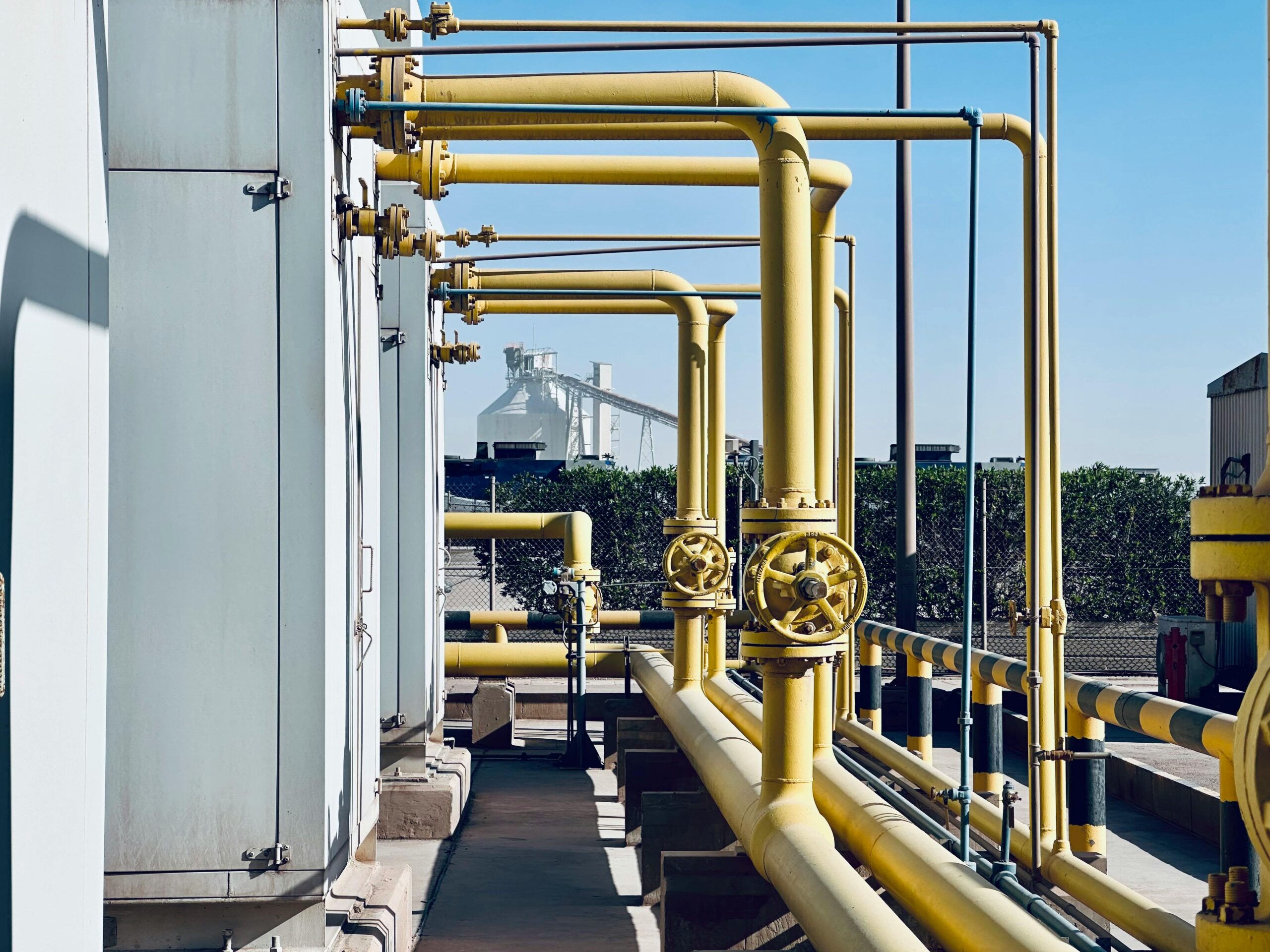
Specialty heat transfer fluids are engineered to have specific thermal properties that outperform standard water or oils. These fluids often contain additives that prevent oxidation and sludging over time. Clean, stable fluids move heat faster and more reliably, which allows the entire industrial system to cycle faster with less energy input.
Over time, standard thermal oils can crack or break down due to high heat, forming a thick sludge. This sludge moves slowly and coats the inside of heat exchangers, creating a massive energy drain. Specialty fluids are formulated with antioxidants that stop this breakdown. This keeps the fluid thin and highly conductive for years rather than months.
Using the right fluid also allows for better temperature control. In precision manufacturing, if a fluid can reach the target temperature 5% faster, the heat source (like an electric heater or gas burner) can shut off sooner. This cumulative saving across thousands of cycles per year represents a significant reduction in the plant’s carbon footprint and energy expenditure.
Are There Hidden Energy Drains in Chemical Processing?
A hidden energy drain often occurs in the form of re-work or cooling delays caused by poor chemical control. When chemical reactions are not optimized, they may take longer or require higher temperatures to complete, both of which waste energy. Specialty catalysts and process chemicals speed up these reactions, allowing for higher throughput with lower energy intensity.
For example, in the pulp and paper or textile industries, chemicals used for wetting or dispersion determine how much water must be evaporated later in the process. Evaporation is one of the most energy-intensive tasks in any factory. If a specialty chemical can help a material retain less water, the drying ovens don’t have to work as hard.
This is where insider knowledge is vital: energy efficiency is not just about the boiler; it is about the chemistry of the product itself. If you can achieve the same chemical result at 60°C instead of 70°C by using a high-performance surfactant, you have just saved a massive amount of energy across the entire production line.
Frequently Asked Questions
How quickly do specialty chemicals show energy savings?
Most plants see a change in energy patterns within the first 30 to 90 days. As the chemicals begin to strip away old scale and optimize combustion, the temperature differentials in heat exchangers will begin to normalize, leading to lower fuel or power demand.
Are these chemicals safe for the environment?
Modern specialty chemicals focus on green chemistry. Many are biodegradable and designed to reduce the overall environmental impact by lowering carbon emissions and reducing the amount of water a plant needs to discharge.
Can chemical treatment replace mechanical cleaning?
While it doesn’t replace it entirely, it significantly extends the time between cleanings. Instead of shutting down a system every six months for manual scrubbing, a good chemical program can keep a system running efficiently for years without a teardown.
Do these chemicals work in both hot and cold systems?
Yes. In hot systems like boilers, they focus on scale and combustion. In cold systems like chillers, they focus on preventing biological growth and maintaining smooth flow to reduce pump electricity.
Improving industrial energy efficiency requires more than just mechanical upgrades; it requires a scientific approach to the fluids and fuels that power your facility. By using specialty chemicals for industrial energy efficiency, you can eliminate scale, improve combustion, and reduce friction across your entire operation. Qemi International Inc. provides high-performance chemical solutions that target these specific energy drains, helping your business lower costs and improve sustainability. Contact us today!