
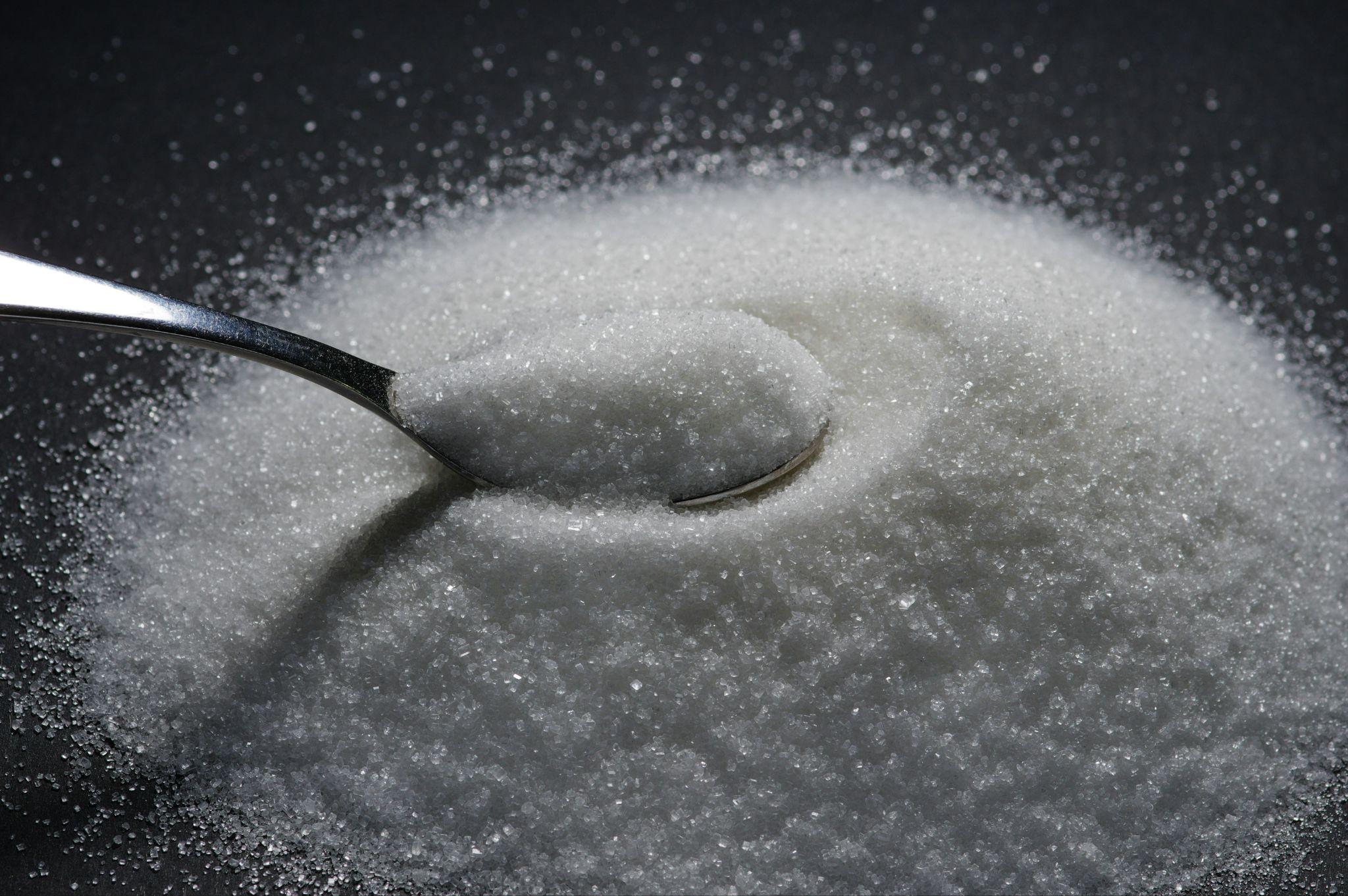
Sugar clarification is the step where impurities are removed from juice before crystallization. If this stage is inefficient, it affects color, yield, and overall production cost. High-performance polymer solutions help settle impurities faster, reduce turbidity, and improve filtration efficiency in sugar mills.
Many mills still rely on traditional clarification methods that increase chemical use and sludge formation. Modern polymer-based solutions solve these issues by improving floc formation and settling behavior. This leads to cleaner juice, better sugar quality, and lower processing costs.
What Is Sugar Clarification and Why It Matters
Sugar clarification is the process of removing suspended solids, colloids, and non-sugars from raw juice. It is essential because impurities directly affect sugar quality, recovery rate, and processing efficiency. Without proper clarification, downstream processes like evaporation and crystallization become unstable.
In cane and beet processing, raw juice contains mud, wax, proteins, and coloring compounds. These need to be removed early. Poor clarification leads to higher viscosity, darker sugar, and scaling issues in equipment. This stage sets the foundation for the entire production cycle.
How Polymer Solutions Improve Clarification Efficiency
Polymer solutions work by binding fine particles together into larger flocs that settle quickly. This improves separation efficiency and reduces the load on filtration systems. Compared to traditional chemicals, polymers act faster and require lower dosages.
High-performance polymers are designed with specific molecular weights and charge densities. These properties allow them to target different impurities present in sugar juice. The result is faster settling, clearer juice, and reduced turbidity. Another key benefit is consistency. Once properly dosed, polymers provide stable clarification even when raw material quality changes.
The Science Behind Flocculation in Sugar Processing
Flocculation happens when small particles combine to form larger clusters that settle under gravity. Polymers assist this process by bridging particles and neutralizing their charges. This allows impurities to come together instead of staying suspended.
There are two main mechanisms involved:
- Charge neutralization: Removes repulsion between particles
- Polymer bridging: Links particles into larger flocs
Temperature, pH, and mixing conditions play a major role in how well this process works. If any of these factors are off, floc formation becomes weak and settling slows down. Understanding this science helps operators make better dosing and process decisions.
Common Problems in Traditional Clarification Methods
Traditional clarification relies on lime and basic coagulants. While effective to some extent, these methods come with several limitations. They increase sludge volume and require careful control to avoid overuse.
One major issue is inconsistent settling. Fine particles may remain suspended, leading to cloudy juice. This affects both color and purity of the final sugar. Another problem is chemical inefficiency. Mills may use more chemicals than needed because they lack precise control over floc formation. This raises costs and creates disposal challenges.
Benefits of Using High-Performance Polymer Solutions
High-performance polymers provide multiple operational and financial benefits. They improve clarity while reducing chemical consumption and sludge production. This makes them a practical upgrade for modern sugar mills.
Key benefits include:
- Faster settling rates
- Lower turbidity in clarified juice
- Reduced lime usage
- Improved filtration efficiency
- Lower sludge handling costs
These improvements directly impact production efficiency. Mills can process more juice in less time while maintaining consistent quality.
How to Choose the Right Polymer for Your Mill
Selecting the right polymer depends on juice composition, process conditions, and equipment design. There is no one-size-fits-all solution. Each mill requires testing and adjustment to find the best match.
Key factors to consider include:
- Molecular weight of the polymer
- Charge type (anionic, cationic, non-ionic)
- Juice pH and temperature
- Impurity profile
Trial runs are necessary. Small changes in polymer type or dosage can produce large differences in performance. Working with experienced suppliers helps reduce trial time and errors.
Dosage and Application: Where Most Mills Go Wrong
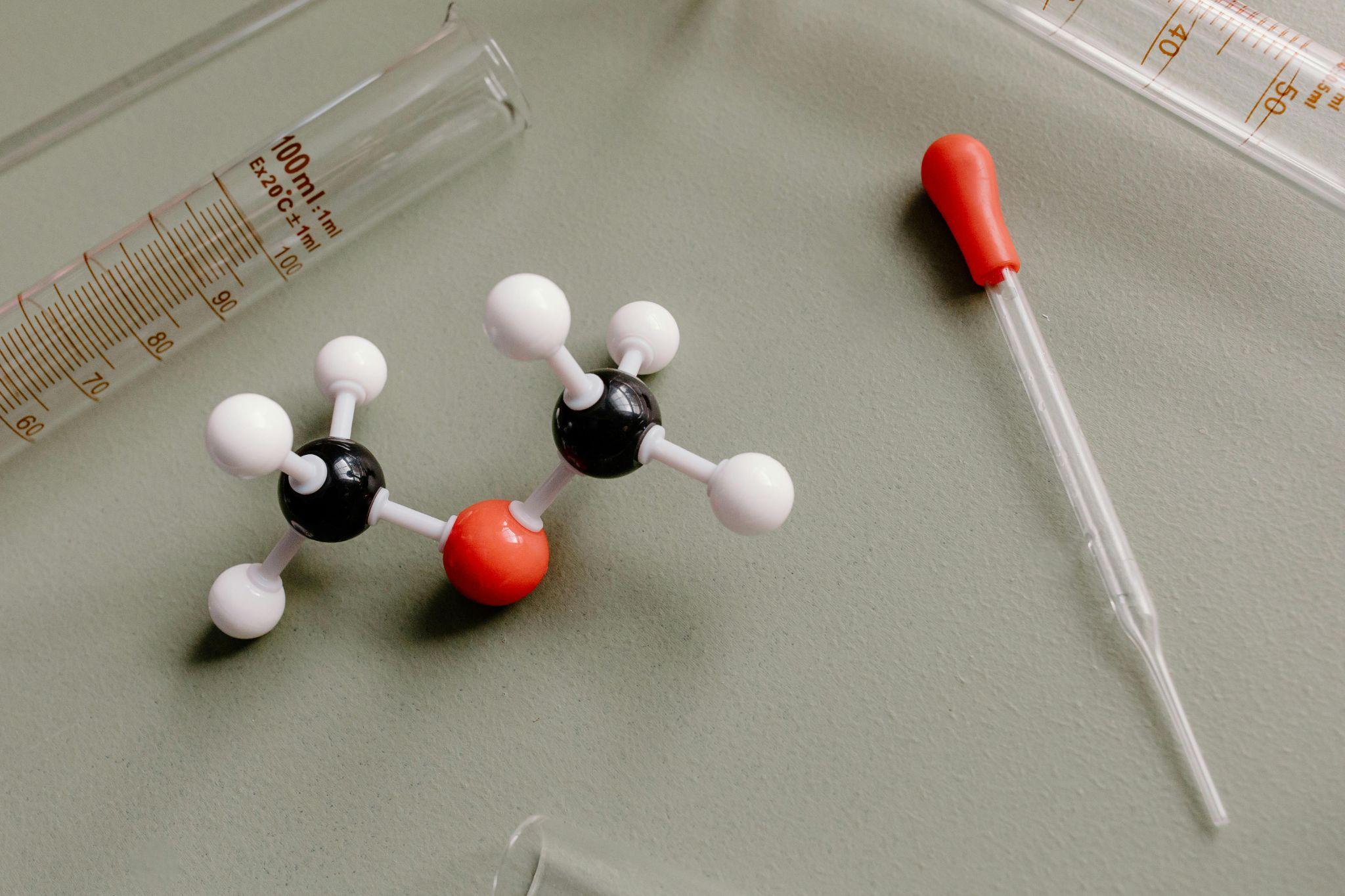
Correct dosing is one of the most overlooked aspects of polymer use. Overdosing can lead to poor settling and higher costs, while underdosing results in incomplete clarification. Both scenarios reduce efficiency.
Mixing is another common issue. Polymers need proper dilution and gentle mixing to activate fully. Aggressive agitation can break flocs and reduce effectiveness.
Adding polymers at the wrong stage can limit their performance. The ideal point is where particles are well-dispersed but ready for aggregation. Small operational mistakes in these areas often go unnoticed but have a large impact on output.
Impact on Sugar Quality and Yield
Better clarification directly improves sugar color, purity, and recovery rate. Cleaner juice reduces impurities that interfere with crystallization. This leads to higher-quality sugar with fewer defects. Improved settling also reduces losses. When impurities are removed efficiently, more sucrose is retained in the process. This increases overall yield without additional raw material input.
In many cases, mills see both quality and quantity improvements after switching to polymer-based clarification systems.
Reducing Operational Costs Through Better Clarification
High-performance polymers help reduce costs in multiple areas. Lower chemical usage means direct savings on inputs. Reduced sludge volume cuts handling and disposal expenses.
Cleaner juice also improves heat transfer efficiency in evaporators. This lowers energy consumption and reduces scaling. Maintenance costs decrease as a result.
Another hidden saving comes from process stability. When clarification is consistent, there are fewer disruptions and less downtime. This improves overall plant productivity.
Environmental Advantages of Polymer-Based Systems
Polymer solutions support cleaner operations by reducing waste and chemical load. Lower sludge generation means less material to dispose of or treat. This helps mills meet environmental regulations more easily.
Reduced lime usage also lowers the carbon footprint of the process. Cleaner effluent improves water management and reuse potential. These benefits are becoming more important as industries face stricter environmental standards.
Future Trends in Sugar Clarification Technology
The sugar industry is moving toward more efficient and data-driven processes. Polymer technology is evolving to match these needs. New formulations are being developed for specific juice conditions and faster action.
Automation is also playing a role. Real-time monitoring systems can adjust polymer dosing based on juice quality. This improves consistency and reduces manual intervention. As competition increases, mills that adopt advanced clarification methods will have a clear advantage in both cost and quality.
How to Measure Clarification Performance in Real-Time
Measuring clarification performance in real-time helps mills identify inefficiencies early and make quick adjustments. Without proper monitoring, issues like overdosing, poor floc formation, or inconsistent settling can go unnoticed until they affect yield and quality.
The most reliable indicators include turbidity levels, mud settling rate, and clarity of the overflow juice. Online turbidity meters give instant feedback on how well impurities are being removed. A sudden increase in turbidity signals improper dosing or changes in raw juice composition.
Settling tests are another practical method used on-site. By observing how quickly mud settles in a sample cylinder, operators can evaluate polymer performance and adjust dosage accordingly. Faster settling with compact sludge indicates effective flocculation.
Flow consistency and filter performance also act as indirect indicators. If filters are clogging frequently or flow rates drop, it may point to incomplete clarification upstream.
FAQs
What are polymer flocculants in sugar processing?
Polymer flocculants are chemicals that help small particles combine into larger clusters. This makes it easier to remove impurities from sugar juice during clarification.
Can polymers replace traditional clarification chemicals?
Polymers can reduce the need for traditional chemicals like lime, but they usually work best as part of a combined system. The exact mix depends on process conditions.
How do polymers improve sugar quality?
They remove impurities more effectively, leading to clearer juice. This improves sugar color, purity, and crystallization performance.
Is polymer dosing difficult to manage?
It requires proper setup and monitoring, but once optimized, it becomes stable and predictable. Many mills use automated systems for better control.
Are polymer solutions environmentally safe?
Modern polymer formulations are designed to reduce waste and improve efficiency. They help lower sludge generation and chemical usage.
Improving Sugar Clarification with Advanced Polymer Solutions
High-performance polymer solutions improve sugar clarification by increasing settling efficiency, reducing chemical use, and improving sugar quality. They also help lower costs and support cleaner operations.
If your mill is looking to improve clarification performance, Qemi International Inc provides advanced polymer solutions tailored for sugar processing. Connect with our team to achieve better clarity, higher yield, and more stable operations.