
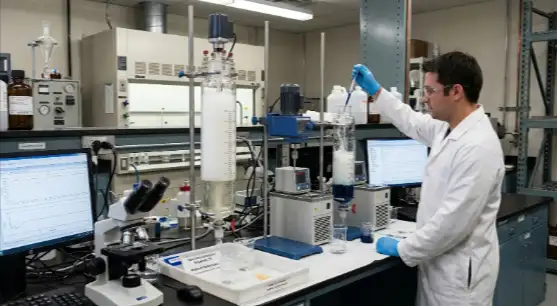
Foam in fluid containment systems can quickly turn into a costly problem if left unchecked. From overflow risks to equipment strain, even small foam issues can disrupt operations.
In many industrial processes, foam forms when air mixes with liquids containing surfactants, oils, or organic materials. Once trapped, these bubbles build up and interfere with efficiency, capacity, and compliance.
The good news? With the right antifoams and defoamers, facilities can control foam before it impacts performance. At Qemi International Inc, we help plants across Kingwood, TX, solve foam problems with tailored chemical solutions designed for real-world conditions.
What Causes Foam in Fluid Containment Systems?
Foam formation can occur across industries such as chemical processing, wastewater treatment, food production, and oil & gas operations. Factors include:
- Surfactants or detergents in liquids
- Proteins, oils, or organic contaminants
- High agitation or turbulence in tanks
- Air entrainment during filling or mixing
- Temperature or pH fluctuations
Understanding the root causes is essential for selecting the correct foam control solution. For more on our specialized approach, visit our About page: Qemi International Inc About
How Does Foam Impact Industrial Efficiency?
Foam doesn’t just sit on the surface—it affects your entire operation.
Here’s how it impacts performance:
- Reduces tank capacity and throughput
- Causes pump cavitation and flow issues
- Leads to overflow and product loss
- Increases cleaning and maintenance costs
- Disrupts wastewater treatment efficiency
Even a small amount of foam can lead to measurable production losses over time.
How Do Antifoams Work to Prevent Foam?
Antifoams act as preventative agents. They reduce surface tension at the liquid-air interface, preventing bubbles from stabilizing and forming foam.
Typical applications include:
- Continuous industrial processes
- Tanks with predictable foam formation
- Systems requiring long-term prevention without intervention
Workflow for antifoam application:
- Assess process chemistry, temperature, and agitation
- Identify potential foam triggers
- Select a compatible silicone or non-silicone formulation
- Conduct small-scale dosage testing
- Optimize feed rates for efficiency
How Do Defoamers Work to Eliminate Existing Foam?
Defoamers are reactive solutions. They penetrate foam films, collapse bubbles, and restore system efficiency.
Best use cases:
- Emergency foam overflow
- Intermittent foam formation
- Systems where foam prediction is difficult
Application steps include:
- Identify foam-affected areas
- Select a defoamer compatible with system chemistry
- Apply the defoamer at appropriate dosage
- Monitor system response
- Adjust dosage to maintain long-term control
For environmental compliance, facilities often follow guidance from the United States Environmental Protection Agency: EPA Foam Guidelines
Common Mistakes When Using Foam Control Products
Choosing the wrong product or dosage can worsen foam problems. Red flags include:
- Foam returning within minutes of treatment
- Oily residue on liquid surfaces
- Pump cavitation or operational instability
- Increased chemical consumption without improvement
- Product contamination
If you experience these issues, consult our technical team: Contact Qemi
Action Plan: Controlling Foam in Your Facility
What’s the smartest strategy to permanently control foam instead of reacting constantly?
| Phase | Task | Expert Insight |
| Assessment | Analyze system chemistry | Foam behavior changes with temperature and agitation |
| Identification | Determine foam source | Surfactants and organic loads often trigger buildup |
| Selection | Choose antifoam or defoamer | Prevention vs reaction matters |
| Testing | Run controlled dosage trials | Start low, scale gradually |
| Optimization | Monitor performance metrics | Track downtime and overflow reduction |
| Review | Quarterly performance check | Adjust formulation as processes evolve |
Maintenance & Program Review
Foam conditions evolve as raw materials, temperatures, or production speeds change. Regular evaluation ensures your system remains optimized.
Maintenance tips:
- Conduct quarterly performance audits
- Monitor seasonal temperature or chemical changes
- Review compatibility with new inputs
- Track overflow incidents
- Adjust feed pumps for consistent dosing
Proactive adjustments protect process efficiency improvement long-term.
Why Choose Qemi International Inc for Foam Control in Texas?
As a specialty chemical manufacturer based in Kingwood, Texas, Qemi International Inc provides custom-blended industrial processing additives tailored to real-world challenges.
Why work with a local chemical manufacturer?
- Hands-on consultation with engineers and plant managers
- Faster turnaround for chemical supply
- Formulations built specifically for your system, not one-size-fits-all
- Expert guidance on regulatory compliance
Stop Foam Before It Costs You More
Foam issues don’t fix themselves—and waiting only increases downtime and waste.
Work with Qemi International Inc to identify the root cause, optimize chemical dosing, and regain control of your system.
Schedule Your Foam Control Consultation Today
Quick Summary
Foam in fluid containment systems forms when air mixes with liquids containing surfactants or contaminants, creating stable bubbles that disrupt operations. Left untreated, foam can reduce capacity, damage equipment, and increase costs. Antifoams prevent foam from forming, while defoamers eliminate existing foam. Choosing the right solution depends on system conditions like agitation, temperature, and chemistry. Qemi International Inc provides tailored foam control products in Kingwood, TX, helping industrial facilities improve efficiency, reduce downtime, and maintain compliance. With proper testing and dosing strategies, businesses can control foam proactively and protect long-term performance.
Key Takeaways
- Foam in fluid containment systems reduces efficiency and increases costs
- Antifoams prevent foam formation; defoamers remove existing foam
- Proper chemical selection improves process stability
- Monitoring and testing are essential for long-term control
- Tailored solutions outperform generic foam control products
- Expert support helps prevent downtime and compliance risks
FAQ Section
How much do industrial antifoams or defoamers cost?
Pricing depends on formulation type, system size, and usage volume. Custom programs often reduce overall costs by lowering chemical waste and downtime.
How quickly do defoamers work?
Most defoamers begin collapsing visible foam within minutes, though full stabilization depends on system conditions.
Can foam control products affect product quality?
When improperly selected, yes. That’s why compatibility testing is essential before full-scale implementation.
Are foam control chemicals environmentally regulated?
Yes. Facilities must comply with federal and state discharge standards, especially in wastewater applications.
What is the biggest mistake facilities make with foam suppression?
Overdosing or selecting reactive products when a preventative strategy would be more effective long term.