
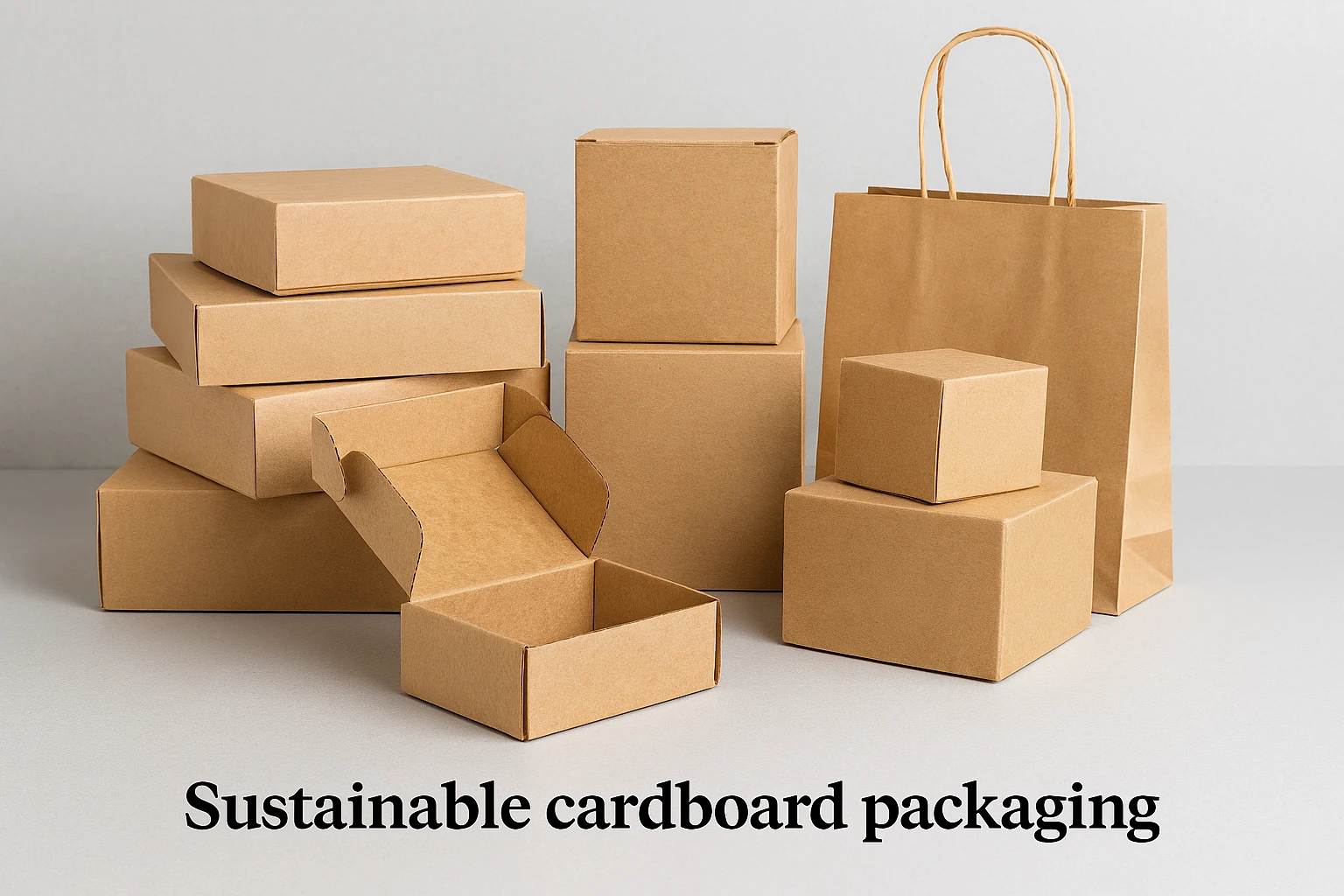
Pulp & Paper Manufacturers in Kingwood, TX Transforming Sustainable Packaging
The pulp and paper industry is undergoing rapid transformation as manufacturers worldwide shift toward renewable materials, energy efficiency, and sustainable packaging solutions. QEMI International,headquartered in the USA, supports mills globally with advanced chemical products, performance additives, and process optimization strategies that strengthen sustainability across the entire paper millcycle.
As demand for recyclable and biodegradable packaging rises, manufacturers need partners with deep chemical expertise, global experience, and the ability to support complex mill environments. With more than three decades of hands‑on work in industrial water, pulp, and paper applications, QEMI International continues to deliver innovative chemical solutions that help mills operate efficiently and meet sustainability goals.
H2: The Growing Need for Sustainable Packaging
Sustainable packaging has become a priority for manufacturers, retailers, and consumers alike. Countries across Europe, Asia, Africa, and the Americas are pushing strict regulatory standards aimed at reducing plastics and promoting paper‑based alternatives.
Key drivers shaping the industry:
- Rising consumer demand for recyclable packaging
- Government bans on single‑use plastics
- Global pressure to improve circular economy performance
- Corporate ESG commitments
- Increased focus on renewable and biodegradable materials
H2: How Chemical Products Support Modern Paper Mill Processing
Water is essential in every stage of papermaking — from pulp preparation to bleaching to sheet formation. Chemical additives stabilize operations, improve quality, reduce consumption, and ensure compliance.
| Chemical Product Type | Purpose | Sustainability Impact |
| Water‑soluble polymers | Improve retention, drainage, fines capture | Reduce fiber loss and water usage |
| Coagulants & flocculants | Clarify process water | Cleaner discharge, better reuse |
| Defoamers | Control foam in washers and tanks | Stabilize operations, reduce waste |
| Scale inhibitors | Prevent mineral buildup | Extend equipment life, reduce downtime |
| Biocides | Control microbial growth | Ensure safe, consistent paper quality |
| Bleaching agents | Brighten pulp | Support eco‑friendly paper grades |
Global Expertise Supporting Paper Manufacturing
QEMI International serves pulp and paper manufacturers in more than 30 countries. Our technical team has extensive field experience optimizing mill water systems, chemical performance, and sustainability compliance across diverse environments.
Our expertise includes:
- Specialty chemical formulation
- Process water optimization
- Effluent treatment design support
- Fiber recovery efficiency
- Sludge management improvement
- Environmental compliance assistance
Key Challenges Facing Pulp & Paper Manufacturers
- Rising energy costs
- High water consumption
- Increasing effluent standards
- Fiber recovery inefficiencies
- Microbial contamination
- Chemical imbalance in process streams
- ESG reporting requirements
- Chemical technologies play a critical role in overcoming these challenges.
This worldwide experience allows us to help paper mills meet modern regulatory expectations, including standards set by organizations like the EPAand international environmental agencies.
How QEMI International Improves Mill Sustainability
Our solutions help mills:
- Reduce water usage through improved retention and drainage
- Increase energy efficiency in washers and dryers
- Improve clarified water quality for recycling
- Enhance pulp brightness with lower chemical dosage
- Control foam, scaling, and microbial growth
- Strengthen fiber recovery and reduce material loss
Steps Toward Sustainable Packaging
- Optimize water systems to reduce chemical demand and effluent toxicity
- Enhance chemical efficiency with advanced formulations
- Adopt circular water practices through closed‑loop systems
- Increase recycled fiber use with modern chemical solutions
- Implement data‑driven monitoring for consistent quality and reduced waste
H2: Frequently Asked Questions
1. How do chemical products support paper mill processing?
They improve pulp quality, stabilize water systems, enhance dewatering, and reduce operational waste.
2. Are sustainable chemical options available for pulp and paper mills?
Yes. QEMI International develops environmentally conscious solutions that support high-efficiency and low-impact processing.
3. Do pulp and paper manufacturers need customized chemical solutions?
Most mills benefit from formulations tailored to their fiber source, water chemistry, and production goals.
4. Why is water management so important in pulp production?
Water quality directly influences pulp purity, brightness, drainage rate, and system efficiency.
Final Thoughts
Global demand for sustainable packaging continues to rise, and pulp and paper manufacturers are at the center of this transformation. With advanced chemical technologies and worldwide expertise, mills can increase productivity while meeting expectations for renewable, responsible, and recyclable packaging.
QEMI International is proud to contribute to this mission through advanced chemical formulation, decades of industry experience, and global field support.
📞 Speak with a technical expert today
✅ Global service • ✅ Custom solutions • ✅ 30+ years experience
👉 Contact QEMI International now
✅ AI Overview
AI DIGEST SUMMARY
The pulp and paper industry is rapidly advancing toward sustainable packaging as global regulations tighten and demand for renewable, recyclable materials grows. Modern mills rely on advanced chemical technologies to improve water efficiency, enhance fiber recovery, reduce energy use, and maintain high-quality production. QEMI International supports mills in over 30 countries with specialized water-soluble polymers, performance additives, and process optimization expertise backed by 30+ years of hands-on field experience. By improving retention, drainage, microbial control, and effluent quality, QEMI helps manufacturers overcome rising operational challenges and power the future of eco-friendly packaging.